Table of Contents
Clients could not also understand that their existing signs and symptoms are attached to previous terrible experiences. As a therapist, identifying these subtle indications permits you to provide appropriate support and guide your customers towards recovery. Unresolved trauma can significantly impact a customer's progress in treatment, developing barriers that impede growth and recovery.
CBT aids customers in transforming trauma-related thoughts and beliefs that add to their distress. With cognitive restructuring, customers learn to determine and challenge unhelpful ideas, changing them with even more well balanced and reasonable point of views. Mindfulness and body understanding methods assist clients deal with physical injury feedbacks by boosting their ability to regulate their nerve system.
Details therapies like eye activity desensitization and reprocessing (EMDR) and trauma-focused cognitive behavior therapy (TF-CBT) directly address trauma memories and their connected emotions. These approaches assist clients refine terrible experiences in a safe and controlled manner, decreasing the strength of their injury responses with time. When functioning with customers that have experienced trauma, it is necessary to speed the healing process according to their specific demands and readiness.

Creating a risk-free, foreseeable, and supportive atmosphere is very important for customers to feel comfortable exploring their trauma and developing brand-new coping methods. This involves establishing clear borders, preserving consistency in sessions, and offering a non-judgmental space where clients really feel listened to and verified. The specialist plays a crucial role in creating safety and trust fund, which are vital for recovery trauma.
Why Stress Lives in the Nervous System
Injury survivors typically have a hard time with feelings of embarassment, regret, or self-blame associated to their trauma. Specialists can aid reduce these sensations by: Identifying that trauma actions are normal reactions to unusual occasions.
Over time, this direct exposure can deeply impact a specialist's worldview, spirituality, and feeling of self. Therapists must concentrate on self-care and look for guidance when dealing with clients who have complicated trauma actions. This includes: Normal workout, meditation, hobbies, and relaxation strategies can assist manage stress degrees. Peer support teams, guidance, and personal treatment sessions supply possibilities to refine emotional effects and maintain health.
The Pattern of Overcommitment and Collapse
Dedicating time to personal partnerships, rate of interests, and self-care tasks beyond work is necessary for total wellness. Specialists should additionally remain knowledgeable about their own emotional feedbacks and how vicarious injury might affect their method. This suggests recognizing common signs such as sadness, temper, irritability, trouble concentrating, adverse thoughts, social withdrawal, fatigue, and physical grievances.
Supplying culturally responsive solutions that resolve historic trauma and relocate past stereotypes. Therapists can utilize different strategies to assist customers handle their injury actions, such as basing workouts, cognitive behavior treatment, somatic methods, and trauma-focused treatments like EMDR and TF-CBT. Pacing the healing process according to the customer's readiness and preserving a foreseeable, encouraging environment are essential for preventing re-traumatization and cultivating a feeling of control.
You may experience: Persistent headaches or migrainesMuscle tension, particularly in the neck and shouldersDigestive concerns (like IBS or nausea or vomiting)Inexplicable persistent discomfort or fatigueIf medical professionals have actually informed you your symptoms are "simply stress," but nothing appears to help, your body could be keeping injury in methods you didn't recognize. If any of this resonates, therapy can assist you understand, procedure, and recover.
As therapists, we usually listen to the question "Exactly what is a trauma feedback?" from our customers. It's an excellent inquiry, and one worth exploring deeply. While much of us utilize the words "trauma" and "tension" as if they suggest the exact same thing in day-to-day discussion, there's really much more to recognize regarding how injury distinctly influences our psychological health.
What to Avoid in Treatment Settings
Assume of trauma actions as your mind and body's method of protecting you when something takes place that feels as well big to take care of. When we experience something overwhelming or deeply traumatic, our mind kicks into survival setting.
Persistent discomfort, fatigue, muscle mass stress, sleep disturbances, changes in cravings, dizziness, heart palpitations, upper body discomforts, tingling, cools, and tremors. Trauma feedbacks can show up in daily circumstances or throughout treatment sessions. Customers may come to be conveniently set off, closed down psychologically, or react highly to specific topics. They might also experience invasive memories, "zone out" during conversations, or battle to stay present as a result of psychological numbing or fatigue.
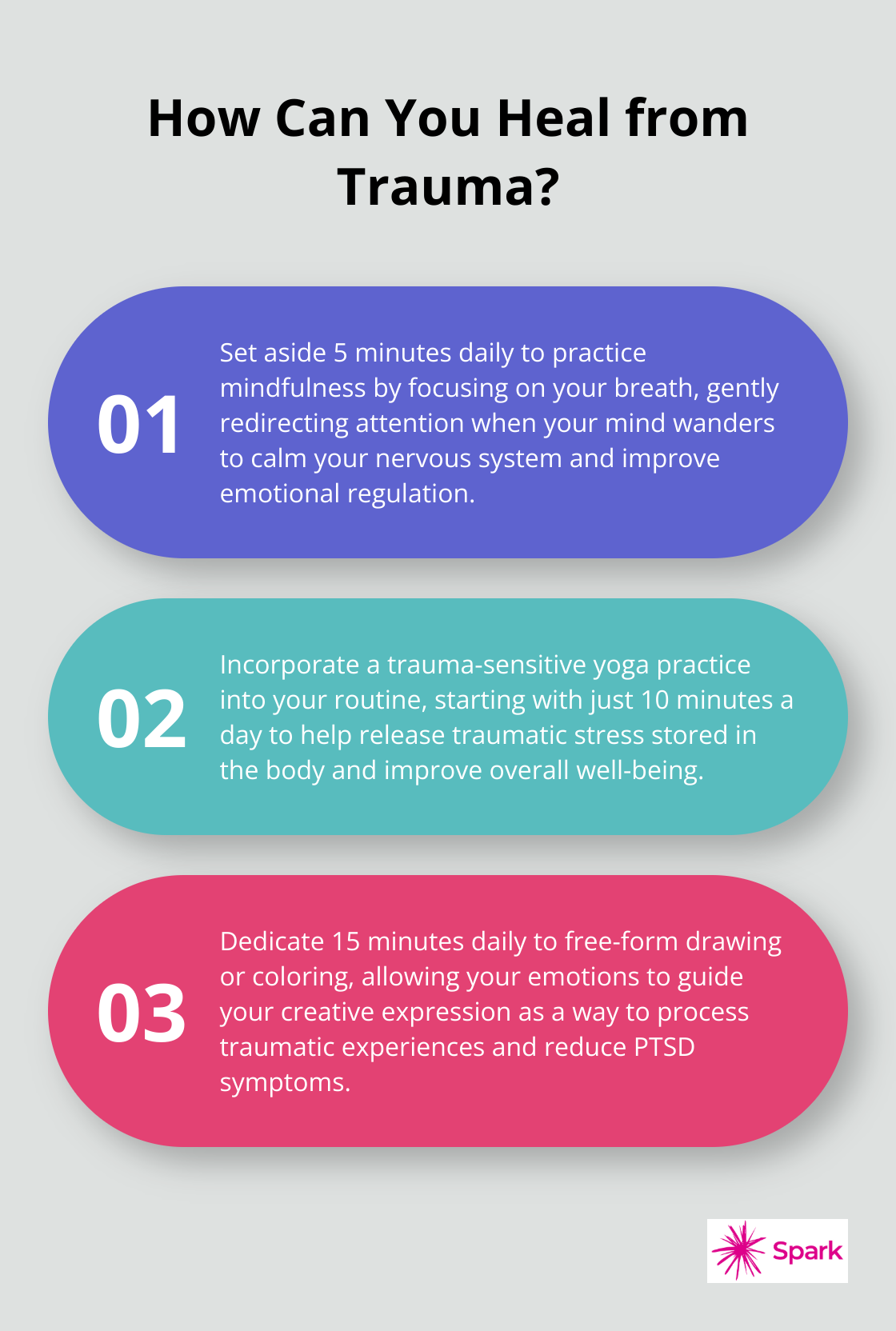
Customers might not also realize that their present signs and symptoms are connected to past traumatic experiences. As a specialist, acknowledging these refined indicators enables you to provide appropriate assistance and guide your clients in the direction of recovery. Unsettled trauma can significantly influence a client's progression in treatment, developing obstacles that impede growth and recovery.
CBT help customers in altering trauma-related thoughts and beliefs that contribute to their distress. With cognitive restructuring, clients find out to determine and test purposeless thoughts, changing them with more balanced and sensible viewpoints. Mindfulness and body recognition techniques assist clients deal with physical injury feedbacks by increasing their capability to regulate their nerve system.
Unlearning Internalized Ableism
Certain treatments like eye motion desensitization and reprocessing (EMDR) and trauma-focused cognitive behavior modification (TF-CBT) directly address trauma memories and their associated emotions. These strategies help customers refine stressful experiences in a secure and controlled fashion, lowering the strength of their injury responses over time. When dealing with customers that have actually experienced injury, it is necessary to rate the healing process according to their private needs and preparedness.
Producing a safe, foreseeable, and supportive atmosphere is essential for customers to feel comfy exploring their injury and developing brand-new coping methods. This involves developing clear boundaries, keeping uniformity in sessions, and providing a non-judgmental area where customers really feel heard and validated. The specialist plays an essential role in developing safety and security and trust fund, which are vital for healing injury.

Navigation
Latest Posts
Comprehensive Mental Healthcare: A Deep Dive into Modern Therapy Solutions
Acknowledging How Autistic and ADHD Individuals Face Higher Rates of Complex Trauma
Spotting Sensory Overwhelm as Anxiety